FPV simulators in drone operator training
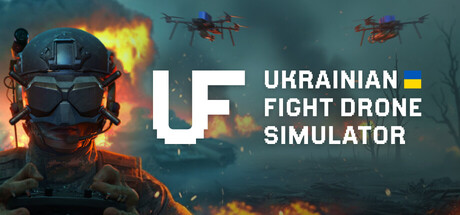
FPV (First Person View) unmanned aerial systems have become one of the key tools on the modern battlefield — from reconnaissance and fire correction to strike missions. Training an operator, however, takes hundreds of flight hours, and every mistake in the real world means losing expensive hardware. The answer to this challenge is the FPV simulator.
Why a drone simulator matters
Training on real platforms is costly and carries risk. A drone simulator moves the early stage of learning into a virtual environment where the trainee can safely make mistakes and repeat the same scenarios as many times as needed.
- Cost — an hour in the simulator costs a fraction of a real flight; no batteries, propellers or airframes are consumed.
- Safety — no risk to people, property or the platform itself while practising manoeuvres and emergency procedures.
- Repeatability — the same scenario can be replayed dozens of times, and the instructor can objectively assess progress.
What FPV training teaches
Flying in FPV mode demands different reflexes than line-of-sight control. The simulator builds spatial orientation, smooth throttle control and precise handling in difficult terrain — before the trainee ever touches a real aircraft. Realistic flight physics, changing weather and varied environments mean the habits carried over to real hardware are correct from the start.
Nowatel's solution: UFDS
In our portfolio this role is filled by UFDS — a universal FPV drone simulator. The system reproduces realistic flight models, offers diverse training scenarios and an instructor mode for building and grading exercises. As a result, a training unit can prepare operators faster, cheaper and without putting equipment at risk.
An FPV simulator does not replace real flights — but it builds the solid foundation that shortens the path to full operational readiness and significantly lowers training costs.